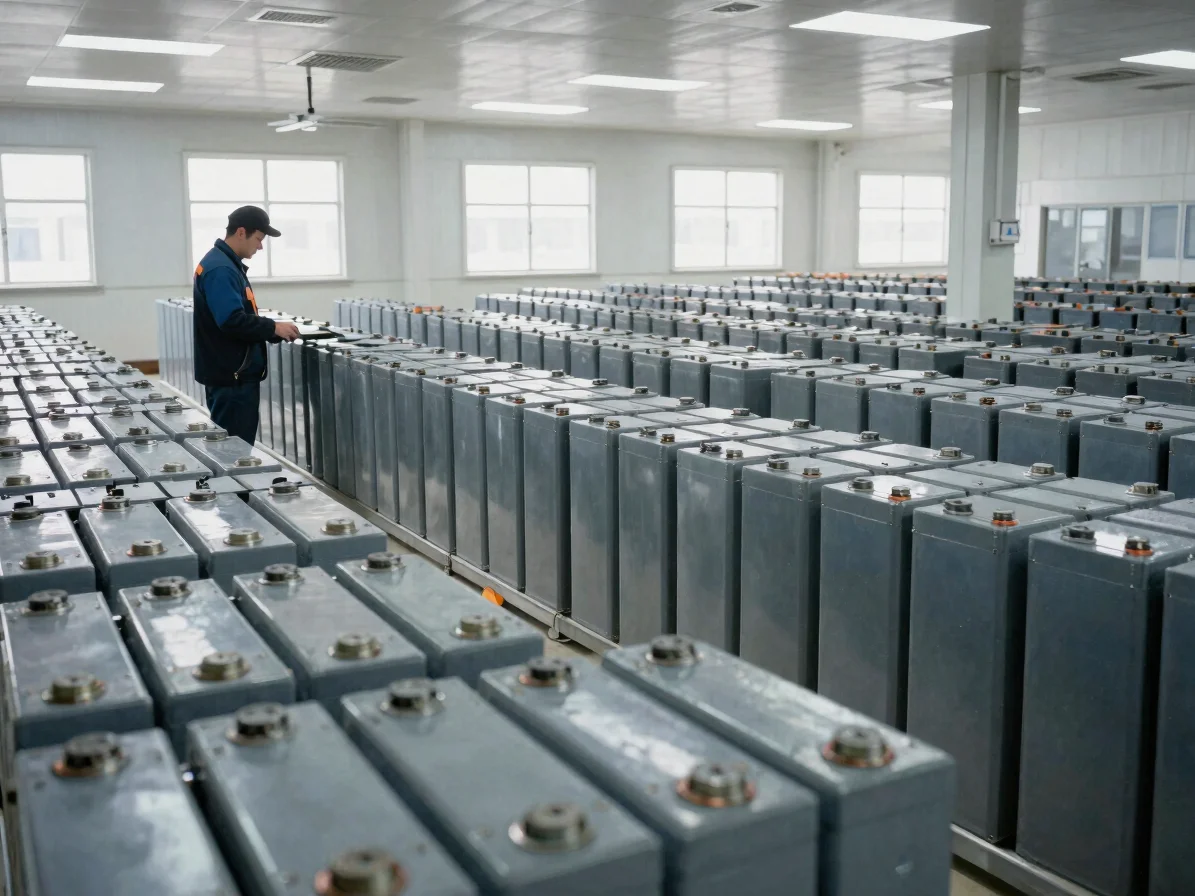
Battery Knowledge
Engineering references for battery selection and operation
Battery Knowledge gathers the foundational principles behind lead-acid chemistry, discharge behavior, float charging, and service life. Technical Articles extend these notes with practical engineering detail for planners and maintenance teams working on backup power systems.
Read the articles alongside the product families they describe, so each chemistry is judged against the duty cycle, temperature, and maintenance regime it will actually face.
Product Comparison
Compare chemistries and select the right battery
Side-by-side comparison tables set out capacity, cycle life, maintenance and typical applications across tubular, gel, AGM-style, lead-carbon and traction chemistries.
Comparison
Chemistry comparison
Line up tubular, gel and lead-carbon families against the same duty cycle, temperature range and maintenance interval.
Guide
Battery Selection Guide
Work from the operating requirement backward: load profile, autonomy time, footprint and service access, then shortlist the matching family.
Sizing
Capacity and autonomy
Use the sizing approach in the guide to translate load and backup duration into a required capacity before requesting a quotation.
Downloads & FAQs
Technical files and answers to common questions
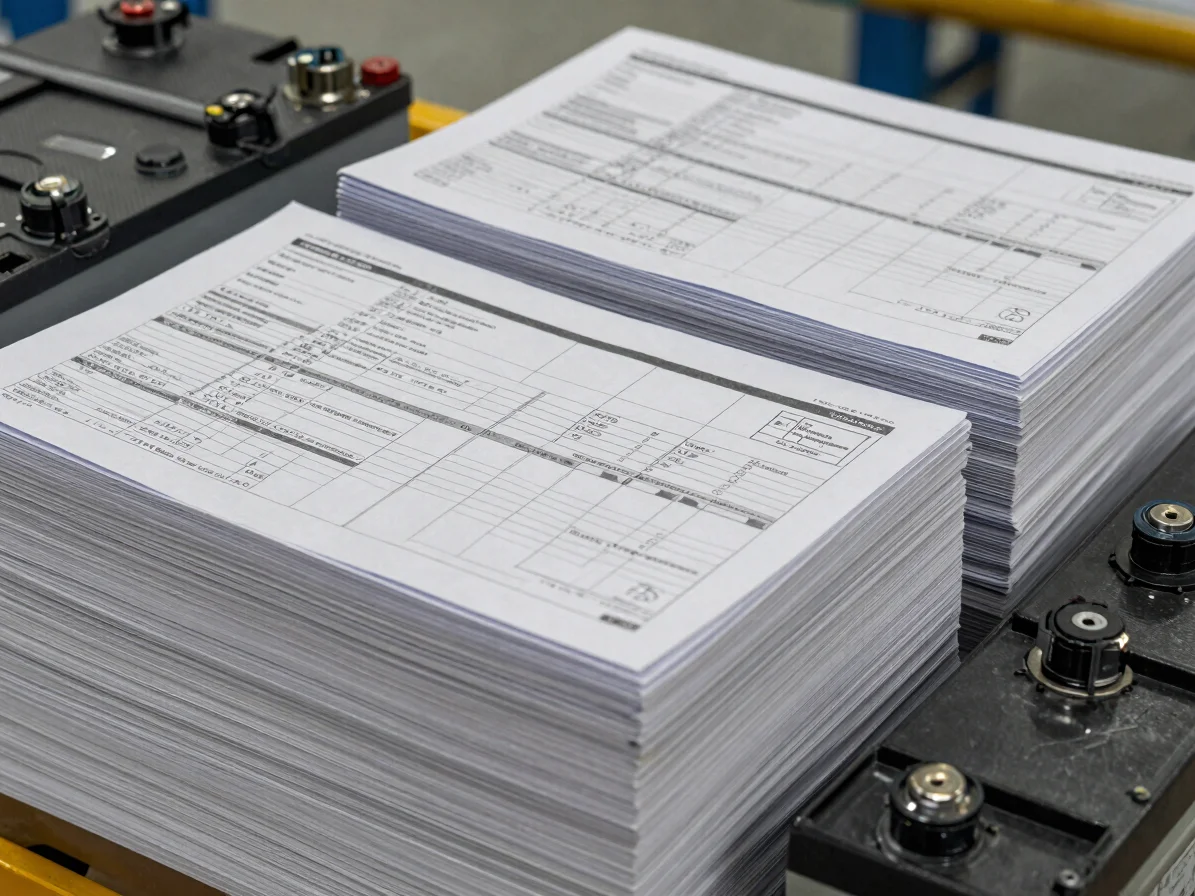
Downloads
Specifications and dimensional drawings
Download datasheets, dimensional drawings and operating instructions for each battery family, organized by product line for quick retrieval during design and installation.
FAQs
Maintenance and operation questions
Answers cover float voltage, periodic inspection, temperature effects on capacity and the practical differences between flooded, gel and sealed designs in day-to-day service.